 Nick Buchheit
Safe ideas, whether for campaigns, videos, newsletters, etc., get applause from internal teams but not from actual audiences.
In the evenings after my son is asleep, I write. Not for clients but for me. Short stories, screenplay, sketches, it runs the gamut. In many ways it’s a practice that has turned into a masterclass which, through trial and error, has led to some success and stories that have resonated with readers.
As I’ve stayed committed to it, I’ve discovered a lot about storytelling. What good storytelling is and isn’t, and why sometimes things work and other times they don’t.
A couple of these things are apparent:
If you brute force a story that doesn’t connect with you (ie, brand), it probably won’t resonate with an audience, which means it won’t be that effective.
No story will stick, no matter the bells and whistles, unless you take a risk.
Risk doesn’t mean edgy. It can be as simple as being different, not following a trend, and most importantly being honest. If it hits at a fundamental truth in a new light or perspective, you have a winner.
It is one of the many hard parts about what we do, but it’s the mountain we all should be climbing.
WAKE. LOOK. DREAD.
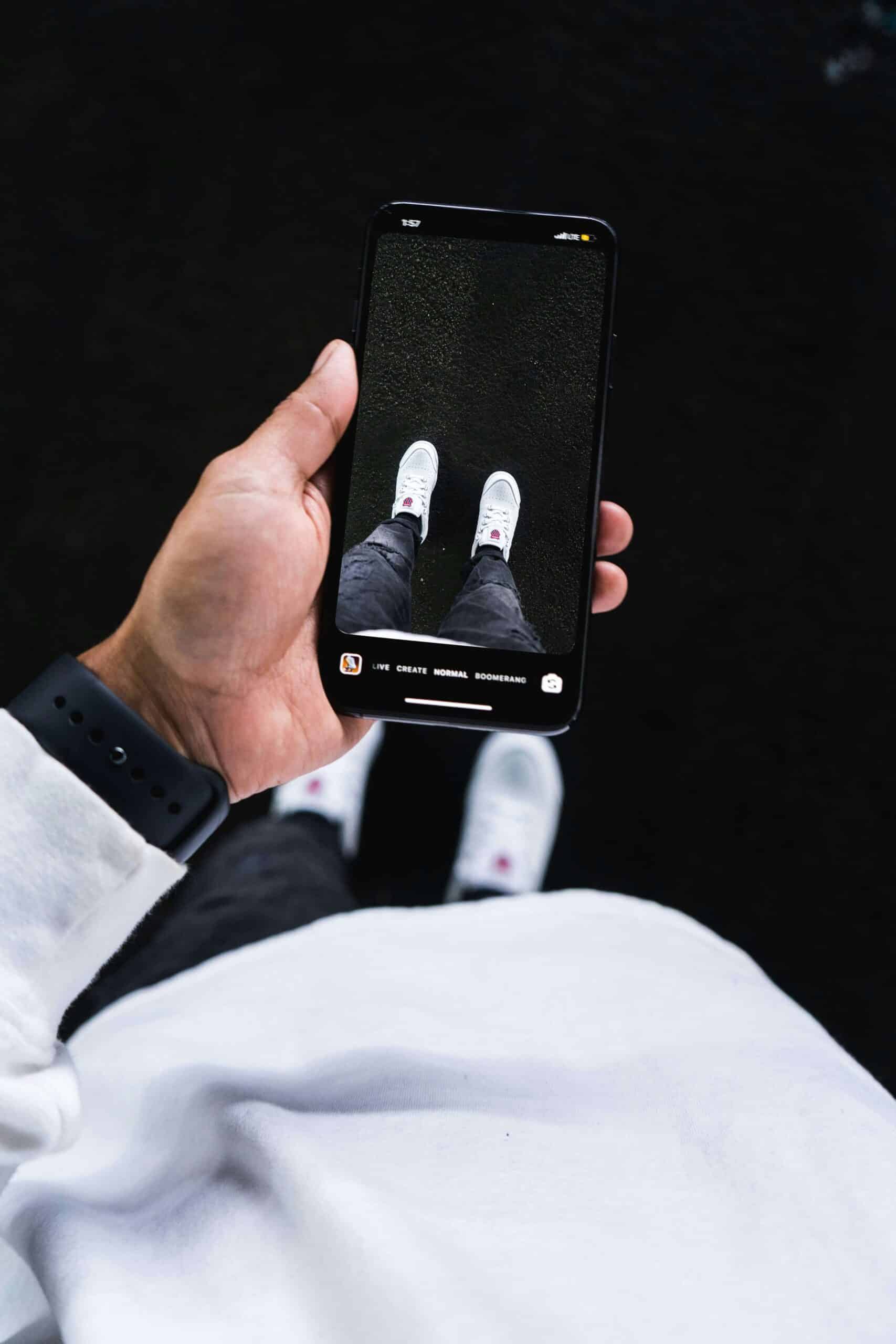
I’ve had this idea floating around in my head about a story dealing with our addiction to our phones and technology. It’s not groundbreaking, but there was a nagging feeling deep inside that it needed to come out, and I could do something interesting with it.
So when Top In Fiction on Substack posted a horror-writing competition for this past October centered around the theme of Inanimate Objects, it felt like fate.
I started writing.
As in every creative endeavor, the process revealed much.
Themes of parenthood, work, routine, and the crutch that our phones, algorithms, and social media become poured out into a story following an individual as they try to find a way to sleep better.
It made me feel uncomfortable at times to write.
I loved the idea and even laughed at some of the words and phrases that found their way from my brain to the edges of my fingertips. But it also scared me.
I was afraid I couldn’t execute it at a high level, no one would like it, or it was too risky, even for a horror story.
Especially considering I chose to set it in 2nd Person POV.
2ND PERSON POV
2nd Person POV is divisive. To writers and readers, it’s like presenting a campaign idea you know half the room will hate and the other half will defend to the death.
As described by Webster’s, Second-person narration is a little-used technique of narrative in which the action is driven by a character ascribed to the reader, one known as you. The narrator describes what “you” do and lets you into your own thoughts and background.
It’s a fantastic way to make a reader feel the experience of the story, but it is controversial.
So to write in it is a risk to completely offend or turn off a segment of readers.
As one judge for the competition even admitted:“I confess: I’m not the world’s biggest fan of second-person POV, so the story had a bit of a hill to climb to win me over from the get-go.”
However, the risk paid off.
I won the competition against some really fantastic writers. And it’s not because I’m great or special, but rather I put in the work to tell a story that was honest, and chose a perspective(approach) that aligned with the intent and message of the story.
As that same judge who dislikes 2nd POV said: “Very quickly, I realized that the unusual POV wasn’t just a style choice; it was purposeful, and a masterful decision on the part of the writer.”
I was the only writer out of thirty-some who wrote in 2nd POV but that is not the reason it resonated. It struck a chord not because it was clever, but because it was true to the intent.
2nd POV was the only way the story could be told and told effectively.
I can say without a doubt, all my favorite stories from the competition, and even some the judges also recognized, took risks in their approach, whether it be through creativity, honesty, or both.
Brand Storytelling Takeaways:
- If it doesn’t scare you a little, it won’t move anyone.
- A story only works when the perspective matches the truth. Trend-chasing breaks trust.
- Risk doesn’t mean loud, outrageous, or shocking. It means purposeful.
If you want a story to stick on the page, on screen, or in a brand campaign, make the decision that feels a little uncomfortable. It’s probably the right one.